


Burnout and Confidence in High-Achieving Women:A Trauma-Informed Approach Using the Triangle of Trust
High-achieving women often look successful on the outside while quietly battling burnout and a loss of confidence. This trauma-informed pillar post reframes burnout as nervous system dysregulation—not personal failure—and introduces the Triangle of Trust to clarify who needs support, what they truly want, and how sustainable confidence returns through safety, regulation, and self-trust.
Burnout, Confidence, and Communication: A Trauma-Informed Perspective for Leaders
Burnout doesn’t just drain your energy—it drains your confidence. When your nervous system is stuck in survival mode, communication shifts, decision-making narrows, and self-doubt grows. Trauma-informed leadership begins with one essential move: regulation first, communication second—because emotional safety is the foundation for burnout recovery and confident leadership.
The Science of Standing Tall: Evidence-Based Ways to Build Confidence and Set Boundaries
Struggling to speak up or say "no"? Building confidence and setting boundaries isn't just about positive thinking—there's real science behind what works. This guide explores evidence-based methods including nervous system regulation, self-efficacy through small wins, assertiveness preparation techniques, and self-compassion practices. Learn how your body signals when boundaries are needed and discover practical frameworks for communicating your needs with both firmness and respect. From Stanford psychology research to somatic awareness, these proven strategies help you build genuine confidence that lasts. Whether you're dealing with workplace challenges or personal relationships, these tools give you a roadmap for standing tall and honoring your needs without guilt.

Leading With Authenticity: Under Pressure
Learn how self-assessment helps leaders spot burnout warning signs, manage workplace stress, and build psychologically safe, high-engagement cultures.

When Your Body Says No: Understanding Trauma Responses In High-Stress Leadership
When a senior administrator criticizes your performance and suddenly you can't think straight—that's not bad leadership. That's trauma. Your brain created survival strategies (fight, flight, freeze, or fawn) for the environment you grew up in, but those same strategies become trauma-based triggers in your current leadership role. The difference between struggling leaders and thriving ones often isn't competence—it's nervous system regulation. Because when you're leading from a triggered state, your prefrontal cortex literally goes offline."
Boost Your Confidence and Build Healthy Boundaries: Evidence-Based Tips That Work
Confidence and boundaries are psychological skills—not traits. This post highlights evidence-based strategies you can implement today to grow self-confidence and assert healthy limits in your life.

Navigating Workplace Burnout Through Nervous System Regulation
Dr. Melanie, burnout isn’t just a time-management issue—it’s often a nervous system outcome. When people work under chronic pressure, low control, and constant urgency, the body interprets the environment as ongoing threat. Over time, teams shift into survival patterns: overworking, irritability, shutdown, people-pleasing, and emotional exhaustion. This post reframes burnout through a trauma-informed lens and shows why nervous system regulation is a leadership competency, not a personal luxury. You’ll learn how stress moves from body to behavior to culture, and how small, realistic regulation practices—like a 60-second body scan, grounding through orienting, “respond vs. react” scripts, and team norm resets—can reduce reactivity and strengthen psychological safety. The takeaway is forward-looking: regulated workplaces don’t just feel better—they perform better, with clearer decisions, healthier communication, and sustainable productivity.

Breaking the Cycle: Why Ignoring Your Trauma Is Sabotaging Your Team
Your unresolved trauma isn't just affecting you—it's impacting everyone you lead. When you're leading from a triggered state, your team feels it. The leader who micromanages because of childhood unpredictability? Their team learns they can't be trusted. The executive who avoids feedback due to past neglect? Their staff feels invisible. This is why trauma-informed leadership isn't just personal development—it's organizational necessity. The most powerful thing you can do for your organization isn't implement another wellness initiative. It's do your own trauma work."

Set Boundaries Set Goals -Enjoy Your Work
Struggling to speak up or say "no"? Building confidence and setting boundaries isn't just about positive thinking—there's real science behind what works. This guide explores evidence-based methods including nervous system regulation, self-efficacy through small wins, assertiveness preparation techniques, and self-compassion practices. Learn how your body signals when boundaries are needed and discover practical frameworks for communicating your needs with both firmness and respect. From Stanford psychology research to somatic awareness, these proven strategies help you build genuine confidence that lasts. Whether you're dealing with workplace challenges or personal relationships, these tools give you a roadmap for standing tall and honoring your needs without guilt.
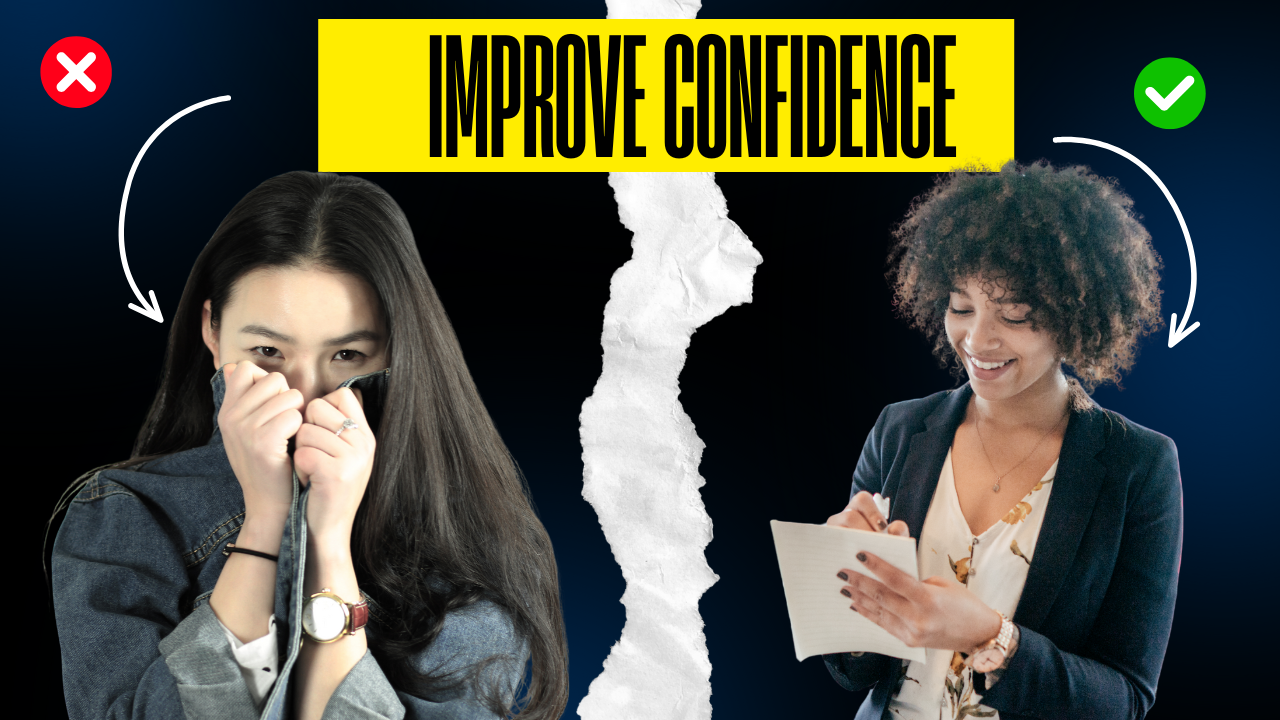
Evidence-Based Ways to Improve Confidence and Set Healthy Boundaries: A Comprehensive Guide
Confidence and strong boundaries are foundational for psychological well-being, healthier relationships, and personal success. In this in-depth guide, we explore evidence-based tools—from assertiveness training to cognitive restructuring—that help you grow confidence and define boundaries with clarity and self-respect.

Confidence and Boundaries: Evidence-Based Ways to Speak Up Without Guilt or Burnout
Confidence isn’t a trait—you build it. This blog shares evidence-based ways to grow self-trust and set guilt-free boundaries using assertiveness practice, self-compassion, and ACT skills. Learn simple scripts and micro-steps to protect your energy, reduce burnout risk, and show up with clarity.
Burnout Recovery: A Path To Sustainable Wellbeing With Dr. Melanie Gray
Burnout is more than stress—it’s a sign your body and mind need support. Learn how trauma-informed, evidence-based burnout recovery coaching with Dr. Melanie Gray helps restore energy, confidence, and balance. Schedule an appointment to begin your personalized path to sustainable well-being today.

The Invisible Weight: How Unresolved Trauma Steals Your Leadership Energy
"That workplace burnout you're experiencing might not be about your schedule—it could be rooted in childhood trauma. Research shows 2 out of 3 adults have experienced Adverse Childhood Experiences (ACEs), and those survival mechanisms that helped you cope as a child are now sabotaging your leadership effectiveness. Learn how trauma-based triggers show up at work and why traditional burnout solutions fail trauma survivors.

Why Your Childhood Trauma Might Be Fueling Your Leadership Burnout
That workplace burnout you're experiencing? It might not just be about your impossible schedule or staffing shortages. Research shows that two-thirds of adults have experienced at least one Adverse Childhood Experience (ACE), and the impact doesn't just disappear when you land that leadership role. Your body remembers everything your mind tries to forget—and those survival mechanisms that helped you cope as a child might now be sabotaging your effectiveness as a leader."
From Burnout to Boundaries: Dr. Melanie Gray’s Trauma-Informed Blueprint for Regulated Leadership
“Burnout isn’t a sign that something is wrong with you—it’s your nervous system asking for care, boundaries, and the courage to lead yourself with compassion.”

From Zombie to Energized — 7 Science-Backed Ways to Beat Menopause Fatigue

Why Am I So Tired? The Hidden Truth About Perimenopause Exhaustion
The Hidden Hormone Roller Coaster
Perimenopause is a season of massive hormonal fluctuation. Estrogen and progesterone—the hormones that once kept your energy, mood, and sleep balanced—begin to rise and fall unpredictably.
That hormonal chaos affects your:
Sleep quality (hello, night sweats and 3 a.m. wake-ups)
Cortisol rhythm (your stress hormone becomes your alarm clock)
Thyroid function and metabolism
Insulin sensitivity (making energy crashes more frequent)
Your body is working harder just to maintain balance, and that internal workload shows up as chronic fatigue.

Thyroid Fatigue: What Every Woman Should Know.
The Emotional Side: When Thyroid Fatigue Robs Confidence
Here’s something most medical discussions miss: the emotional toll. When your thyroid slows down, your energy, focus, and motivation dip—but your inner critic gets louder.
Many women tell me, “I used to be on top of everything, and now I can’t even keep up with my own life.” That erosion of self-trust creates what I call energy-confidence disconnect.
Research confirms the link between hypothyroidism and mood disorders. A 2023 study in BMC Endocrine Disorders found that even subclinical hypothyroidism (when labs are only slightly off) is associated with higher rates of depressive symptoms and reduced quality of life in women (Yu et al., 2023).
So if you’ve been feeling emotionally flat or unusually anxious, it’s not “all in your head”—your hormones and neurotransmitters are part of the story.

Why Am I So Tired? The Hidden Reasons Women Feel Exhausted
Introduction
If you’ve found yourself asking, “Why am I so tired?” more times than you can count, you’re not alone. Millions of women type those exact words into Google every month—searching for answers that often feel just out of reach. Fatigue isn’t always about “doing too much.” Sometimes, it’s your body’s way of waving a white flag and begging you to listen.
As a nurse and wellness coach, I’ve seen this pattern repeatedly: women blaming themselves for low energy instead of asking why their energy is low in the first place. So let’s uncover what’s really going on behind that constant tiredness.